
Day 2 :
Keynote Forum
Xian-En Zhang
Full Professor, Chinese Academy of Sciences, China
Keynote: Sensing molecular events in living cells

Biography:
Professor Xian-En Zhang received his B.Sc. (Biology) from Hubei University in 1982, M.Phil. (Microbiology) and Ph.D. (Biochemistry) later from the Institute of Virology and the Institute of Microbiology, Chinese Academy of Sciences (CAS), respectively. In 2015, he received an Honorary Degree of Doctor of Science from the University of Alberta, Canada. In 1993, he became a full professor at Wuhan Institute of Virology, CAS. He has been active in interdisciplinary sciences, specializing in biosensors, nanobiology and analytical pathogen microbiology. He has published more than 230 peer-reviewed papers and three books on biosensors. In April 2013, he completed his duty in MOST and joined the Institute of Biophysics (IBP), CAS, and is now a distinguished professor in the Center of Excellence of Macromolecules of IBP, CAS, while serve as the China’s representative to the APEC Chief Science Advisors and Equivalents Meeting.
His recent research directions include molecular/nano biosensors for biological events in live cells, viral/microbial elements-derived nano-biosensors, and portable biosensors for health care.
Abstract:
TBA
Keynote Forum
Xiaohong Wang
Professor, Institute of Microelectronics, Tsinghua University, China
Keynote: On-chip energy harvesting and storage for wearable or implantable applications

Biography:
Xiaohong (Ellen) Wang is full professor in Department of Microelectronics and Nanoelectronics, Tsinghua University, China, guest professor in ETH Zürich, Switzerland. She received her Ph.D. from Tsinghua University in Mechanical Engineering. As a visiting scholar, she did the research on micro SOFC in Stanford University from Nov. 2005 to Oct. 2006. She also had several months’ research experience in HKUST and UCLA in 2001 and 2007, respectively. Her research now is on the fields of MEMS/NEMS design and integration technologies, in particular on Power-MEMS, like micro fuel cells, micro supercapacitors, silicon-based lithium batteries, and biological microgenerators etc. She has served several international conferences as TPC/ETPC member, like IEEE-IEDM, IEEE-MEMS, Transducers, PowerMEMS etc. She was the General Co-Chair of IEEE-MEMS2016 held in Shanghai. She is an Associate Editor of IEEE/ASME JMEMS and PNG Microsystems & Nanoengineering, Editorial Advisory Board member of JMM.
Abstract:
The rapid development of wearable and implantable electronics has greatly increased the demand for energy harvesting and storage devices with similar physical properties and integration capability. Nowadays. Li-ion batteries have been being still mainstream as their high power and voltage output. Can we convert energy in the human body into electricity can provide a life-long power source to apply in various wearable electronics and potentially in implanted microdevices? Can we also store the energy into supercapacitors with the high charge/discharge rate, long cycle life, and high-energy efficiency? This speech will introduce the development of energy harvesting and storage on-chip for wearable or implantable applications.
Keynote Forum
Hidekuni Takao
Full Professor & Director, Kagawa University, JAPAN
Keynote: Reproducing our Fingertip Sensation by Super High Resolution Tactile Sensing
Biography:
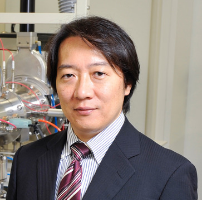
Prof. Hidekuni Takao, received his BS in 1993, MS in 1995 and Ph.D. degree in 1998 all from Toyohashi University of Technology, Japan. After he worked as a research fellow (PD) with JSPS, Japan in 1998, he joined faculty of Toyohashi University of Technology in 1999 as assistant professor, and was promoted to associate professor in 2005. He moved to Kagawa University, Japan in 2009, where he has served as a full professor since 2014. He is also holding the position of director of Nano-Micro Structure Device Integrated Research Center in the same University. His research interests are high performance silicon MEMS sensors and systems and their applications to fine tactile sensing technology. Since 2015, he has been the representative of JST-CREST project on “nano-tactile sensing”. He acted as a technical committee member of IEEE MEMS 2012 Paris, 2013 Taipei, 2017 Las Vegass, and 2018 Belfast.
Abstract:
We, human has very sophisticated sense of touch on our fingertip skin. We can recognize and distinguish various and delicate difference of touch feelings obtained by sweep motion of fingertip on various kinds of materials and objects. Fingertip skin has the highest density of force and vibration receptors (Meissner’s Corpuscles and Merkel Cells) under the surface skin where fine pitch patterns of fingerprint are formed on. Human’s fingertip has a very high spatial resolution below 100µm and can recognize existence of 13nm-pitch patterns as reported recently.
In order to reproduce artificial sense of touch like human's fingertip, very high performances on spatial resolution and sensitivity are required to tactile sensors. In this talk, silicon based MEMS tactile sensors with a ultra-high force and spatial resolutions are introduced and demonstrated. All the mechanical structures in the tactile sensor deice are made from “pure” single crystal silicon layer of SOI wafers. No elastomer/polymer structures are used in the sensing structure. The contactor parts of the tactile sensor have curved shape which is very similar to the cross-section of a fingerprint, and its suspension springs are designed similarly to a spring constant of human’s fingertip skin surface. In the latest version of our tactile sensors, six contactors with fingerprint-like shape are integrated at a pitch of 500µm to get high spatial resolution tactile images. Each fingerprint-like contactor reproduces vertical motion (by micro roughness) and horizontal motion (by frictional force) of a fingerprint closely under sweeping motion of fingertip in measurement. Spatial resolution of our tactile sensor reaches to sub-micron region, and its force resolution of friction is below 50µN. These performances are enough high to analyze surface touch feelings of “Hair surface condition”, “Skin condition”, and “Touch feeling of various papers and clothes” like human fingertip. Machine learning based on deep neural network has been applied to the signal from the high resolution tactile sensors. As a result, 10 kinds of “cloth” samples have been discriminated at a correct percentage of 99% successfully. Combination of high resolution tactile sensor and deep neural network is a strong approach to reproduce human fingertip sensation by state-of-the-art device electron device technology.
- DNA Chips and Nucleic acid Sensors | Photonic Sensor Technologies | Biosensing Technologies | Bioinstrumentation | Advancement in Nanotechnology | BioMEMS/NEMS | Wearable Techonology
Location: Vancouver

Chair
Xian-En Zhang
Chinese Academy of Sciences, China
Session Introduction
Woong Kim
Korea University Sejong, South Korea
Title: Biomimetic fabrication technique of nano materials mixed micro wire for sensing nitrogen dioxde molecules


Biography:
Woong Kim is currently doing his PhD course in Department of Control and Instrumentation Engineering, Korea University, Sejong, South Korea. His research focuses on detecting toxic ions or gas in environmental samples (drinking water, tap water, air and etc..) using various nano-materials based on height and surface potential measurement using atomic force microscopy (AFM) and electrical analysis. He is also interested in development of bio-mimicked materials for sensing toxic ions or molecules.
Abstract:
Researches on the new materials by using polymers and nanomaterials have spotlight recently, because of availability to use it sensors in smart vehicle. Among the various polymers, representatively, PVP (Polyvinylpyrrolidone) is the most famous polymer, because of non-toxicity and human-friendly. So, it has been used not only commercial glue but also the various research areas. We focused on how spiders generate spider silks and studied how to create microwires facile from commercial glue which is mainly composed of PVP. Micro-wire is very useful in a variety of engineering field and sensor applications, because of the structural characteristics. However, former techniques have some limitations such as controllability, high cost, and straightness.
From the facile and biomimetic methods, we fabricated the micro-wire and nano-material mixed micro-wire. The micro-wire we made have a strong mechanical stiffness (~50 GPa) and solubility to the various solvents. Particularly, ethanol molecules enable to control the diameter and mechanical stiffness of micro-wire. And also, when the nano-material (i.e., gold nanoparticle, zinc oxide nanowire, reduced graphene oxide), the mixed micro-wire has conductivity and some new characteristics according to mixed materials.
In this study, we focused on the reduced graphene oxide mixed micro-wire for detecting nitrogen dioxide gas molecules in the smart vehicle air. The nitrogen dioxide gas is included in vehicle exhaust and causes some toxicities. The reduced graphene oxide mixed micro-wire has a drastic change of conductivity according to binding of nitrogen dioxide molecules.
Seongjae Jo
Korea University, South Korea
Title: Detection of cortisol using aptamer functionalized gold nanoparticles based on localized surface plasmon resonance

Biography:
Seongjae Jo is currently doing his PhD course in Department of Control and Instrumentation Engineering, Korea University, Sejong, South Korea. His main research focuses on materials sensing using optics such as colorimetry, absorbance, raman spectroscopy. Especially, he focuses on measuring bio materials using localized surface plasmon resonance and also fabricates the substrates directly by synthesized nano particles for optical applications.
Abstract:
Depressive disorder is one of the most common mood disorders and is induced by a variety of factors including neurobiological changes, combinations of interacting genes, the environment, or the life cycle of an individual. Generally, mental health or psychological tests are performed to identify depressive disorders. These method can lead to inaccurate results due to differences in patient's personal preferences and responses. So it is therefore difficult to analyze between depression and psychological reasons. Cortisol is a well-known biomarker of depressive disorder. By measuring cortisol in human body, we can diagnose their condition more accurately. In this study, we measure the cortisol using aptamer functionalized gold nanoparticles substrate based on localized surface plasmon resonance. We synthesize gold nanoparticles of various sizes to find the optimal conditions for aptamer functionalized substrates and use them to make substrates. The detection limit (LOD) is 0.1 nM and also has excellent selectivity for steroid hormones whose molecular weight and structure are similar to cortisol. In addition, we measured cortisol from real saliva and we compared the result with ELISA for significant results.
Deniz Vurmaz
NYU Tandon School of Engineering, USA
Title: Artificial intelligent point-of-care tools for rapid diagnostics of trauma


Biography:
Deniz Vurmaz is a doctoral candidate in the Department of Chemical and Biomolecular Engineering Department at NYU-Tandon, studying under Prof. John T. McDevitt. Her research is developing and integrating innovative diagnostic approaches to advance human health, focusing on programmable bio-nano-chip systems for multi-organ failure. Beyond basic science, she is a veteran of entrepreneurial competitions, having already won a NYU Green Grant and an award from the AABE for her team idea. Her goal is to be a bridge between academia and industry and, therefore, she has been preparing herself in this capacity. Before even joining NYU, she was a project manager at an international renewable energy company. Using her leadership and entrepreneurship skills, she and her team established a start-up called “Lost-Bytes,” a data-driven food-waste management and renewable energy company that designs and employs Artificial Intelligence solutions to old school machines. She lectures in high profile renewable energy gatherings, such as the recently held Exxon-Mobil’s Energy Day. As the team leader, she has also been selected to NSF’s I-Corps Program and recently has funded by this program. She takes Launchpad Business classes upon becoming a member of GreenFeen Cooperative, which collects food-waste and composts in Bronx. She grew up in Turkey and now lives in NYC.
Abstract:
Today’s healthcare delivery system focuses on late-stage disease diagnosis and, as a consequence, results in exceptionally high costs with poor outcomes in far too many cases. Recent developments in the -omics disciplines are starting to provide promising signatures of early disease detection. Likewise, advances in microfluidics, nanoscience, engineering, and artificial intelligence have the potential to drastically improve diagnostic systems. The need for rapid identification of organ failure after an accident is vital for immediate diagnosis, followed by the most relevant medical treatments.
In the quest for fast identification of organ failure, the key is rapid and accurate detection of pertinent biomarkers that are facilitated by the diagnosis of organ injury, the severity of trauma, and the potential for complications of hemorrhage. A comprehensive specialized treatment of the victim at a trauma care service is crucial within an hour of the incident for enhanced survival. At the same time, the rapid diagnostics followed by the appropriate therapies are a significant driver of healthcare costs. In fact, in the United States, approximately 35 million people are treated every year for trauma injuries which translates into one hospitalization every 15 minutes. At an annual cost of $67.3B, trauma is the 3rd most costly medical condition, behind heart disease ($90.9B) and cancer ($71.4B). Despite these facts, a highly effective point-of-care diagnostic device with analysis capabilities that facilitate the treatments is still profoundly absent. Our goal is to address this need by designing and implementing a highly affective chip-based detection system by integrating a wide variety of biomarkers. Using the selected biomarkers: CRP, Myoglobin, Complement 5, HMGB-1, Cystatin-C, N-GAL, L-FABP, Protein C, Properdin, D-Dimer, we developed a novel application of a universal chip-based sensor platform thereby enabling real-time, multiplexed, quantitative screening of trauma related biomarker panels with polymer based micron size sponge biosensors. Furthermore, the quantitative results generated is utilized to train machine learning algorithms to facilitate an intuitive and versatile Trauma ScoreCard that could effectively be used by the healthcare practitioners. The diagnostic tool includes a sensor module involving a single use, credit card-sized plastic cartridge employing a sample input port, microfluidics module, reagent blisters, biomarker array, waste reservoir, and high specificity antibody reagents.
Biography:
TBA
Abstract:
This paper suggests some methods for designing and simulating of a hydraulic system. These methods are contained the way of components selection and arrangement. Furthermore these methods present the governed equations of each element and simplification and solution of them. In this paper practical rules of selecting key element in a servo-proportional circuit are presented. Comparing the results of modeling and actual tests in real conditions shows an acceptable approximation between them which causes increase in reliability of mathematical simulation of such systems. Our goal is finding some optimum techniques for designing of a hydraulics system without any needs to practical tests causing big time and costs saving. Test of designed hydraulics circuit in real conditions need repetitive setting of the machine for the new parameters causes diversion of the machine pre-set parameters that this action needs to consume a big capital and rather much time to re-set the machine and return it to work in real condition. It may be provided a dangerous situation to cause to neglect some first condition in solving the mathematical equations that is not ignorable in real condition and eliminated mistily that may destroy the machines in some cases. Worthy of mention is that simulating using a math model that really closes to act is very economical and time saving also it doesn't need to change in set of machine to experiment and several experience can be done just by a change in amount of a variable and check its result. From the viewpoint of industrial applications, the developed techniques may provide useful references for scholars who work on this.
- Biosensors | Biosensors Applications | Transducers in Biosensors| Bioelectronics | Biosensors for Imaging | Environmental Biosensors | Gas Sensors | Bioengineering Applications
Location: Vancouver

Chair
Jun Yang
Westerns Industry 4.0 Network, Western University, Canada
Session Introduction
Everardo Vargas-Rodriguez, Ana Dinora Guzman-Chavez
Universidad de Guanajuato, Mexico
Title: High sensitivity refractive index sensor based on a stack of layers at the tip of an optical fiber


Biography:
Everardo Vargas-Rodriguez completed a MSci in Electronics at the Universidad de Guanajuato, Mexico. Afterwards, he received a PhD in Optoelectronics at the University of Southampton of the United Kingdom in 2007. He joined the University of Guanajuato since 2007, and later he was appointed as a Director of the Department for Multidisciplinary Studies were he served from 2008-2016. Currently, he is a professor and additionally is serving as Academic Editor of the Journal of Sensors. His research interest is focused on the design of optoelectronics sensors and fiber lasers.
Abstract:
Refractive Index (RI) sensors are important for different biosensing applications and there are several ways to implement them. From these fiber optical sensors are very interesting since can be miniaturized and integrated into a simple and small device. The fiber optic sensors can be based on Bragg gratings, long period gratings, interferometers and tapers. Among these the Fabry-Perot interferometer (FPI) is a very popular option since it can be fabricated in different ways at the tip of a single mode fiber, which has a diameter of 125 µm. These sensors measure the refractive index of the medium surrounding the optical fiber, which can be either gas or liquid. Therefore, it can be convenient for some applications to have the RI sensor at the tip of an optical fiber since this can be easily introduced into the sample. Moreover, typical FPI formed at the tip of the optical fiber has a reflection spectrum with fringes reaching an amplitude of 4% in air, and this amplitude is varied as the RI of the sample is changed. In this work a high sensitivity refractive index sensor based on a novel FPI, formed by a stack of 3 layers at the tip of a fiber optic, it is presented. Here, our FPI generates a reflectivity spectrum with fringes reaching an amplitude up to 60%, which is considerably higher than the typically obtained with FPI formed at the optical fibers. Nominally, this increment in reflectivity helps to enhance the sensing capabilities of the sensor, particularly the resolution and the sensitivity. The sensor can measure, ideally, a refractive index from 1 to 3.4. Moreover, a resolution of around 30 dB/RIU can be achieved from the refractive index range from 1 to 1.8, this dynamic range is of interest for many biosensing applications. Some experimental results are provided to support the modelling.
Farhad Khosravi
BioDirection, Inc., USA
Title: Development of silicon nanowire technology for biomarker testing

Biography:
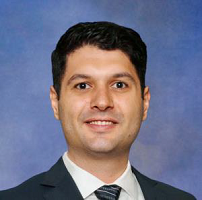
Farhad Khosravi has expertise in applying nanotechnology to the development of in vitro diagnostic devices (IVD). His background in bioengineering and biomedical engineering in combination with his understanding of nanomaterials has enabled him to follow his passion for nanomedicine and nanodiagnostics. He first became interested in the intersection of nanomaterials and biosensors when completing his BS in Biomedical Engineering from the University of Louisville (UofL) where he first studied carbon nanotubes (CNT). During his doctoral work at Worcester Polytechnic Institute (WPI), he invented a novel CNT microarray biosensor platform for capture and detection of cancer cells. This research introduced a new philosophy for liquid biopsy useful for point-of-care diagnostics. Currently, Farhad is employed at BioDirection where he is developing silicon nanowire FET technology used in a biosensor platform for the detection of biomarkers associated with traumatic brain injury (TBI).
Abstract:
Statement of the Problem: Traumatic brain injury (TBI) is a widespread problem afflicting all segments of the population. In most cases, concussion or mild traumatic brain injury is diagnosed based on a range of subjective, symptom-based tests that are frequently inconclusive. An objective point-of-care system able to diagnose TBI in minutes could have significant benefits, potentially leading to faster and more appropriate treatment. BioDirection, Inc. is a privately held medical device company is developing a novel rapid point-of-care technology for the objective diagnosis and management of traumatic brain injuries. The company’s lead product, the Tbit™ blood test, is being developed to deliver biologically based results to confirm a concussion accurately in minutes.
Methodology & Theoretical Orientation: Tbit™ platform test measurement is based on a well-established antigen-antibody interaction. The binding of antigen to antibodies located on the surface of the nanowire results in the change of electric field on the surface of the nanowire, which affects the conductivity of the nanowire and can be reliably measured using electronic means. Silicon nanowires offer significant advantages compared to more traditional approaches, allowing femtomolar sensitivity (in the range of 1000 of molecules), small sample volume (mcL range), fast measurement time (seconds) and tolerance to matrix effects.
The Tbit™ sensor was developed using semiconductor manufacturing processes. Single-crystal silicon nanowires were synthesized using metal nanoparticle-catalyzed chemical vapor deposition. Automated nanowire deposition onto the silicon wafer, followed by conventional photolithography, resulted in a multiplex, individually addressable immuno-FET sensor device. Antibodies can be attached to the surface through conventional silane chemistry.
Findings: Analytical characterization of the devices demonstrates that the response is proportional to the concentration of analyte and the response has a good correlation with predicted nanowire behavior.
Conclusion & Significance: We have shown a mass-producible, cost-effective, reliable and reproducible silicon nanowire field-effect transistor (FET) that can be used for biosensing and Tbit™ test. Most importantly we have been able to demonstrate the analyte detection directly in the blood. Application of this technology to mTBI diagnosis promises fast delivery of actionable information about a patient’s state.
Wonseok Lee
Professor, Korea University, South Korea
Title: Red blood cell membrane functionalized electrochemical biosensor for detection of fibrinogen


Biography:
Wonseok Lee is a Research Professor of Department of Control and Instrumentation Engineering in Korea University, South Korea. His research expertise on Nano/Bio technology.
Abstract:
TBA
Nesrine Amin Elessawy
Arab Academy for Science and Technology, Egypt
Title: Wearable sensors for real time health monitoring using e-tattoo patches


Biography:
Nesrine Amin Elessawy is from Electronics and Communication Department, Arab Academy for Science, Technology & Maritime Transport (AASTMT), Alexandria, Egypt. She has published one confernece paper and 02 articles.
Abstract:
The aim of this paper is to highlight the latest technologies and applications in the field of bioelectronics using wearable sensor techniques and in real time for health monitoring tracking sensors. The main work of this paper focused on special techniques of using special kind of patches made of graphene called e tattoos that are mostly flexible, thin, and stretchable. These kind of e tattoos are like epidermal sensors type that emerge a group of truly wearable electronics together to read and measure different biological signals like heart rates, breath rate, skin temperature, and sweat rates, and then to be sent to the person’s device via certain network connection to be analysed at any time. These sensors are considered to take these measurements and process it in real time, to let the person or the patient track their health continuously and be alerted whenever they need about their health status. Those kind of graphene sensors are the key technologies for nanomaterials that help and contributes to health, wellness, home rehibition, and other industries.
Joohyung Park
Korea University, South Korea
Title: Electrochemical Measurement and Numerical Analysis of Bio-Conjugation Between amyloid fibrils and Metal Ions

Biography:
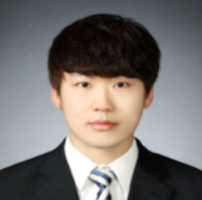
Joohyung Park is currently doing his PhD course in Department of Control and Instrumentation Engineering, Korea University, Sejong, South Korea. His research focuses on electrochemical sensors for detecting bio-molecules and toxic ions based on carbon, gold, ITO and various functionalized electrodes. He is also interested in measurements of mechanical properties of nano-materials and structure for detecting toxic ions.
Abstract:
With the remarkable developments in the fields of nanoscale research and industry, the detection of heavy metal ions in water and the purification of water has become important. Therefore, it is an important issue to measure the affinity between various toxic substances and filters in order to know purification materials and purification efficiency. Here, we detected the affinity of metal ion and amyloid by CV curve analysis using β-Lactoglobulin functionalized screen printed carbon electrode (SPCE). It is not only the basic research of amyloid-based filter technology, but it can also be applied to metal ion sensors.
- Inactive

Biography:
Abstract:

Biography:
Abstract:

Biography:
Abstract:

Biography:
Abstract:

Biography:
Abstract:

Biography:
Abstract:

Biography:
Abstract:

Biography:
Abstract:

Biography:
Abstract:

Biography:
Abstract:

Biography:
Abstract:

Biography:
Abstract:
Shalini Menon*, K. Girish Kumar
Cochin University of Science and Technology, INDIA
Title: A dual channel optical sensor for norepinephrine via insitu generated silver nanoparticles


Biography:
Shalini Menon received her Bachelor and Post Graduate degree in Chemistry from Mahatma Gandhi University, India in 2011 and 2013 respectively. She obtained her M.Phil. degree in Chemistry from the Department of Applied Chemistry, Cochin University of Science and Technology (CUSAT) in 2015. She completed her PhD in Chemistry under the guidance of Prof. K. Girish Kumar and is cuurrently working as a Research Associate in CUSAT. Her research interests include development of optical and electrochemical sensors for the determination of clinically important compounds. She has 11 research publications in international journals.
Abstract:
Norepinephrine (NE) is considered as one of the naturally occurring catecholamines which acts both as a hormone and a neurotransmitter. Catecholamine levels are used for the diagnosis and regulation of phaeochromocytoma, a neuroendocrine tumor of the adrenal medulla. The development of simple, rapid and cost-effective sensors for NE still remains a great challenge. Herein, a dual channe l sensor has been developed for the determination of NE.
A mixture of 10 mL of 1.00×10⁻² M AgNO3, 0.5 mL of 1.00×10⁻² M NaOH, 0.2 mL of 0.5% NH3.H O and 0.5 mL of 0.02 % cetrimonium bromide (CTAB) working solution was prepared. The mixture was vortexed thoroughly, and to 2 mL of this solution an appropriate volume of 1.00×10⁻⁵ M NE solution was added. Two minutes later, the absorption and fluorescence intensities were measured against the reagent blank solution treated in the same way without NE. Fluorescence intensities were recorded by exciting at a wavelength of 400 nm.
A colorimetric and fluorometric dual channel sensor has been fabricated for the determination of NE. Visual detection is possible due to the formation of brown silver nanoparticles (NPs) in the presence of NE, which further resulted in strong metal enhanced fluorescence signals. A linear relationship was obtained between the absorbance values and concentration of NE in the range 1.00×10⁻⁶ M- 6.66×10⁻⁸ M; the detection limit being 1.79×10⁻⁸ M. It was also found that the fluorescence intensities were proportional to the concentration of NE over the range of 8.92×10⁻³ M- 5.66×10⁻⁵ M, with the corresponding limit of detection 5.59×10⁻⁶ M. Furthermore, application of the present approach in synthetic blood serum has been demonstrated, which suggests its great potential for diagnostic purposes.
Mohsen Mohammadniaei
Chung-Ang University, Republic of Korea
Title: Two-mode electrochemical biosensor composed of gold nanoflower rna/barcode complex for broad and ultra-sensitive detection of microrna in cancer serum


Biography:
Mohsen Mohammadniaei received his BS degree (2006) in Applied Physics and MS degree (2010) in Nanoscience & Technology from Kashan University, Iran. He then joined industry for almost 4 years as the nanomaterial analyst in one of the top organizations in the field of nanotechnology in Iran (Tech-market service corridor) also as the quality engineer and project manager in Omran Ava Company. In September 2014, he got accepted for PhD from Sogang University, South Korea. He received his PhD degree (2018) in Chemical and Biomolecular Engineering and he is currently a postdoctoral researcher in the Department of Integrative Engineering at Chung Ang University, South Korea, working on microRNA detection in whole blood. His research resulted in several publications, patent applications, and he was awarded as the Excellent Researcher by Sogang University. He is passionate about novel scientific and practical approaches in the field of DNA/RNA nanobiotechnology, microRNA detection/inhibition and drug delivery based on optical and electrochemical methods to develop new research ideas for the achievement of commercialized clinical probes and multi-functional agents for diagnostic and therapeutic applications. During his research, he exploited his nanotechnology knowledge (nanostructure synthesis and characterization) into biotechnology to develop various nanostructures in corporation with protein and nucleic acids (parallel structural, three-way junction, hairpin, etc.) to achieve sensitive biosensors and theranostic agents. He has designed several sensing moieties and developed ultra-sensitive and cost-effective nucleic acid and biomarker detection devices (published in high impact journals) with the aim of overcoming the drawbacks of the current diagnostic systems.
Abstract:
Statement of the Problem: Early cancer diagnosis is immensely vital to improve treatment outcomes and overall survivals. MicroRNAs as the short non-coding RNA sequences (18-24 nucleotides) are promising biomarkers for early cancer diagnosis due to their altered expression levels during cancer development. However, because of their very low abundance in body fluids, sensitive detection of microRNAs is still formidable. Current reliable miRNA detection methods necessitate amplification while either requiring several enzymes to make it costly and time-consuming. Moreover, one of the main limitations in developing any types of biosensors is that the sensitivity enhancement restricts the linear detection range.
Methodology & Theoretical Orientation: To resolve the abovementioned issues, here we propose a novel enzyme-free mechanism to detect microRNA-21 (miR-21) in total patient serum in a two-mode electrochemical system to significantly lower the miRNA detection limit while retaining a broad linear detection range. A three-way junction RNA structure is utilized and modified by (i) a methylene blue (MB)-labeled hairpin RNA at its one end, functioning as the capture probe and (ii) the other two ends for being hybridized with barcode gold nanoparticles (MB/barG) as the electrochemical signal boosters. Upon the target miR-21 invasion, the hairpin structure is opened and subsequently hybridizes with DNA-assembled gold nanoflower/platinum electrode (GNF@Pt). This brings the MB to the close vicinity of surface resulting in a detectable electrochemical signal (1st mode). To expand the biosensor dynamic detection range and amplify its sensitivity, MB/barG is hybridized to the 1st mode to form a dumbbell-like structure and establish the 2nd mode.
Conclusion & Significance: The integrated biosensor could detect 135 aM (324 molecules of miR-21 in only 4 µL sample) and represent a wide linear range from 1 µM to 500 aM in a back-to-back supporting system. The GNF@Pt displayed a remarkable conductivity and addition of MB/barG dramatically increased the MB electrochemical signal by ~230 folds. Further, a novel protocol was introduced to enhance microRNA extraction efficiency from the total serum by ~60%. The developed biosensor showed a high selectivity and specificity towards single base-pair mismatches and could profile different development stages of two cancer serums (breast and liver).
Srijita Nundy
Sungkyunkwan University, Republic of Korea
Title: Highly selective and sensitive distinct flower-like ZnO microstructure based gas sensor with optimized CTAB concentration for detection of NOx at room temperature


Biography:
Srijita Nundy completed her BSc and MSc degree in Physics at the age of 25 years from Calcutta University and Shoolini University, India respectively in 2015. Since January 2015, she researched on ferromagnetic material synthesis and application from Chung Yuan University, Taiwan and worked as a physic researcher in Onnuritech, Seoul, Republic of Korea till 2017. Currently, she is pursuing her PhD studies on nanomaterial synthesis and device fabrication for application in various fields of biosensors and metal oxide based gas sensors at Advanced Material Science Engineering (AMSE) department of Sungkyunkwan University, Suwon, Republic of Korea.
Abstract:
Nitrogen oxides (NOX) is considered as toxic molecule giving harmful influences not only on human body, but also on environment . A highly selective and sensitive NOX gas sensor operating at room temperature (25°C) based on flower-like ZnO (FZO) microstructures were successfully fabricated by a CTAB-assisted hydrothermal process at 90°C. We report hydrothermal synthesis of ZnO microstructures with gradual increase of CTAB concentration forming nanorods (0M) , nanorods assembled structure (0.001M) to flower-like (0.005M) (figure 1) and studied morphology dependent gas sensing behavior to NOx gas at low temperature (25°C). The characterizations of the as-prepared samples were done in details by using X-ray diffraction (XRD), scanning electron microscopy (SEM), transmission electron microscopy (TEM), X-ray photoelectron spectroscopy (XPS), Raman spectroscopy, photoluminescence (PL) spectroscopy and Brunauer-Emmett-Teller (BET). The gas sensing performance of sensors fabricated with as-prepared ZnO structures to various concentrations of NOX, ammonia, toluene , carbon-monoxide, acetone and ethanol, at various operation temperatures (25 to 150°C) were noted . A clear trend showing effects of the morphology on the sensing behavior with temperature was demonstrated (figure 2b). The flower-like ZnO exhibited stability (up to 140 days) and excellent sensitivity with a high gas response of 29 which drops sharply with increase of temperature and is highly selective towards 0.74 ppm of NOX at 25°C without additional use of UV irradiation or doping materials such as Pt or Pd. The ZnO sample with 0.001M of CTAB shows a similar trend but with much lower sensitivities at low temperatures. For the sample without CTAB , the temperature behavior switches to a volcano-type one, in which the sensitivity is low at a low temperature and increases gradually with the temperature increasing. Thus, we proposed possible reason for the evolution of overall characteristics by suggesting changing reactions between ZnO and reacting gases in various operating temperatures.
Phurpa Dema Thungon
Indian Institute of Technology - Guwahati, India
Title: Hybrid 2D µPAD for alcohol detection


Biography:
Phurpa Dema Thungon is a PhD scholar under Prof. Pranab Goswami in the Department of Biosciences and Bioengineering, IIT Guwahati, India. Her thesis is on the development of Lab-on-Chip alcohol biosensors. She holds expertise in paper microfluidics, optical biosensors, and nanotechnology. She also is trained in developing silk films and enzyme studies.
Abstract:
Motivation: The quantitative measurement of alcohol have great importance in chemical and alcohol industries, to curtail drunk driving and upcoming rise of bioethanol fuel industry. However, the analytical methods for the determination of alcohols like high-performance liquid chromatography (HPLC) and gas chromatography (GC), although precise are complex, time-consuming, require trained operators. Therefore, we aim in developing sensitive alcohol biosensor for on-site application. Enzymes are an excellent tool for developing biosensors due to their high selectivity, specificity and activity under mild experimental conditions. However, maintaining the stability of the enzyme is of particular importance.
Methods: Alcohol Oxidase (AOx) is an important enzyme which catalyses the oxidation of alcohols into their corresponding aldehydes (equation 1), along with the production of hydrogen peroxide (H2O2). This reaction was paired with peroxidase and dyes ABTS (2,2_-azino-di[3-ethylbenzthiozoline-6-sulfonic acid]) to develop a colorimetric sensors (equation 2).

SF is a unique protein biopolymer, that possesses inherent high stability to changes in temperature and moisture, due to the extensive network of physical cross-links (β-sheets) formed during the assembly process. AOx was entrapped in Silk fibroin (SF) films to improve it’s stability. A 2D microfluidic paper-based analytical device (μPAD) was prepared using AKD inject printing to produce two pattern hydrophilic zones and simple folding. One zone was used for sample and the other as detection zone for the colorimetric detection of alcohol. AOx entrapped silk film was placed on the detection zone. A small volume of samples was added to the μPADs, which was photographed after 15 min using a phone camera and the pixel intensity was obtained using Image J software.
Conclusion & Significance: AOx was successfully entrapped and stabilized in SF films with the highest recorded residual activity. AOx and HRP were co-entrapped in SF films for better interaction between the enzymes. The hybrid µPAD was used for optical detection of methanol with dynamic range 0.001 % to 0.1% and L.O.D 0.03 ± 0.001%.